
The C-K method: A case study
The C-K method was instrumental in launching the Veracity Technology project.
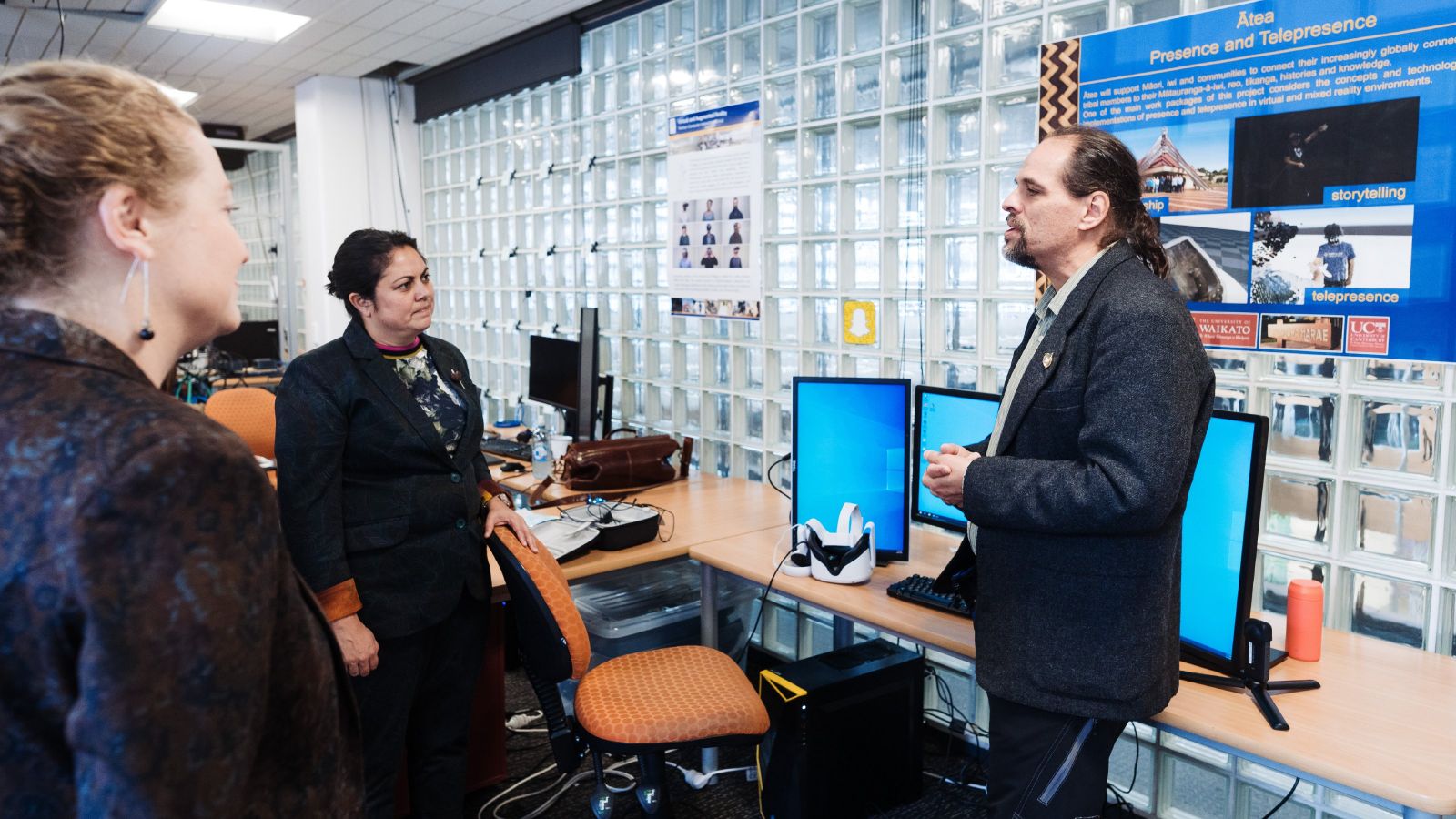
The Concept-Knowledge or “C-K” method is a theory of reasoning for situations that require innovative approaches. It provides a structured framework to facilitate the design of new ‘objects’ based on existing sets of knowledge.
In 2019, BNZIC researchers conducted a trial of the C-K process to test its applicability in the context of Aotearoa—New Zealand. Following this pilot, a full-scale "experiment" was carried out to develop the Veracity Technology project, resulting in the successful creation of a project that addressed a previously challenging mission concept.
Introducing the Veracity Technology project
The Veracity Technology project, like the Building New Zealand's Innovation Capacity project, is a spearhead project operating under the Science for Technological Innovation National Science Challenge. They are looking for data and computer science solutions to an ancient question: How can you verify something is what it appears to be?
This ancient question highlights the challenging nature of the mission concept. It took four years for the Veracity Technology project to develop from concept to final accepted proposal. BNZIC researchers noted that despite best efforts and a considerable amount of time, Veracity’s forerunning concepts of ‘Personalised Value Chain’ and ‘Exchange in the Digital Age’ failed to land on a fundable project. This table highlights the barriers the project faced.
Barriers to the project formation
| Barrier | Explanation of the barrier |
|---|---|
| Collaboration | Disciplinary and expertise silos; lack of a common language; knowledge misalignment; self-reinforcing prior knowledge. |
| Team formation | Role integration; aligning objectives; alignment of technical and expert knowledge. |
| Time | Time taken to align expectations; time taken to build relationships and trust. |
| Knowledge | Access to breadth and depth of technical knowledge; agreeing on ‘stretch’ of and approach to the research problem; the complexity of the research problem. |
Using the C-K method
To overcome and mitigate these barriers a full C-K cycle was run entirely online over three months using a facilitator in Australia. Despite the virtual nature of the process due to the Covid-19 situation in New Zealand, participants provided predominantly positive feedback regarding the C-K process itself.
Facilitation can support researchers to avoid barriers like the discussion of workload and individual recognition common in research organisation settings. This allows the participants to focus on the central idea and project challenge, and to address that challenge using their skills and knowledge. Researchers spent more time thinking collaboratively about innovative ideas, and less about workload and recognition.
However, as this approach is a form of crowdsourcing, similar critiques apply. Some participants whose expertise did not get included in the eventual project were unhappy that the time and ideas they had invested were not rewarded.
Related articles

Open innovation and the C-K method
The C-K method provides a structured approach to innovating that can stimulate science-based open innovation.
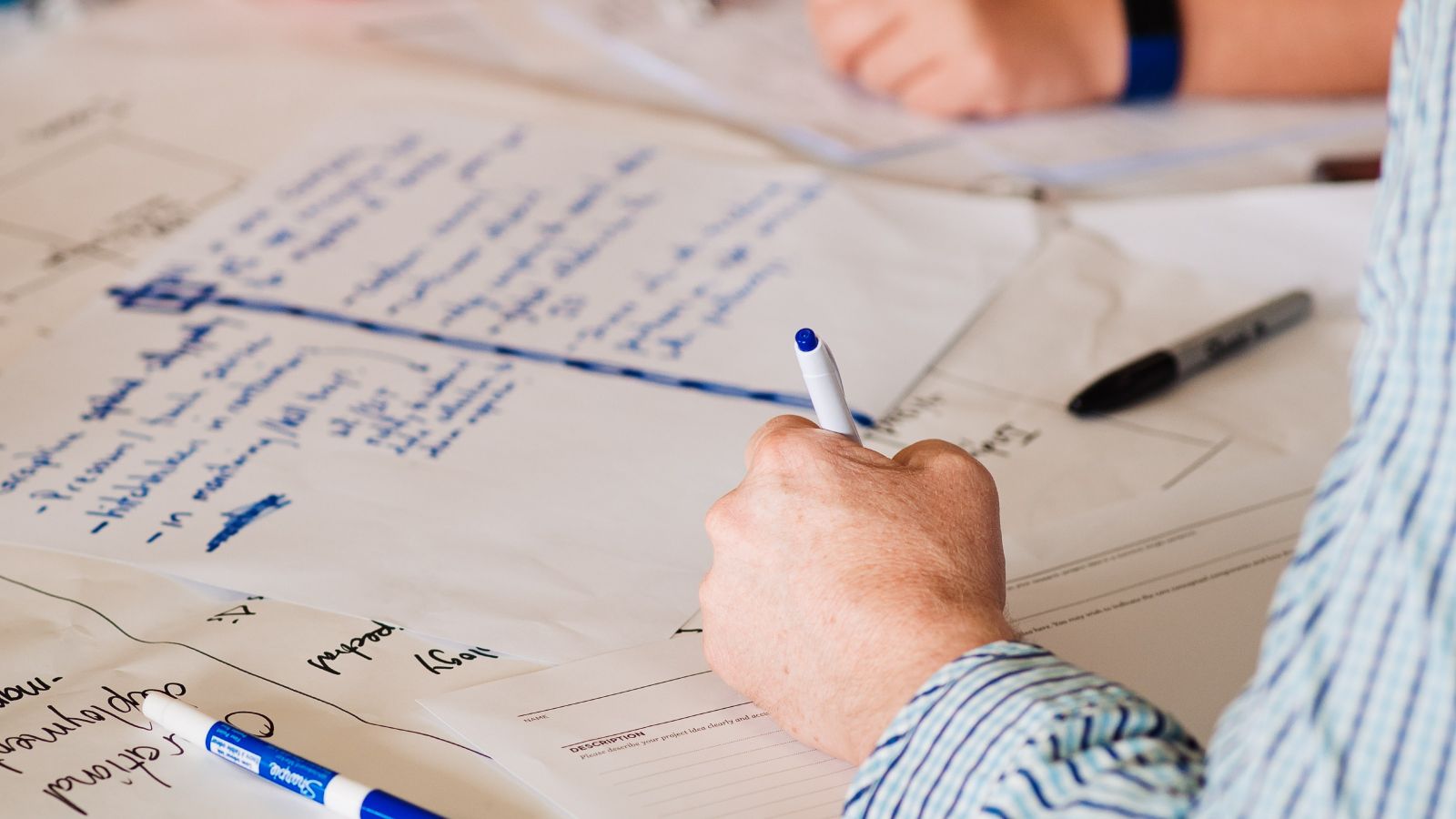
Funding capacity for open innovation
Policy advisors can promote engagement between scientists and external stakeholders by funding training that develops human and relational capacity.

‘Deliberately different’ science
Policy advisors urged to consider 'deliberately different' science, informed by the SfTI challenge.